Ecommerce brands
We design, build and market online stores. Most of the ecommerce work we take on is not a redesign for its own sake. It is a store that gets traffic and does not convert enough of it, and the reasons are almost always measurable.
The three costliest problems in ecommerce are rarely the visual design. They are page speed on mobile, a checkout with more steps than it needs, and product pages that answer none of the questions a buyer has before paying.
Speed is the one most often underestimated. Every additional second of load time measurably reduces conversion, and ecommerce templates tend to be heavy: sliders, review widgets, chat, three analytics scripts, each added by someone solving a different problem and none removed since.
Checkout is the second. Every field that is not strictly required, every forced account creation, every payment method a customer expects and does not find, is a share of your traffic abandoning a cart it had already filled.
The third is trust. Shipping cost, delivery time and returns policy are the questions buyers actually have, and burying them until checkout is where a good product page loses to a worse one that answered them upfront.
We build to a mobile performance budget rather than a design comp, because ecommerce traffic is overwhelmingly mobile and the revenue difference between a two-second and a five-second store is not marginal.
Checkout gets treated as its own project. Fewest possible fields, guest checkout by default, and the payment methods your customers actually use, which for Nigerian stores means Paystack and Flutterwave alongside international cards rather than instead of them.
Product pages lead with the answers: real shipping cost, real delivery window, real returns terms. And we instrument the whole funnel properly, so that when something underperforms you can see which step lost the sale rather than guessing.
Where paid media is part of the engagement, feed quality comes before bidding strategy. Most underperforming ecommerce ad accounts are held back by a product feed with missing attributes, not by their campaign structure.
Proof
Client work from this industry, and what changed for each business.
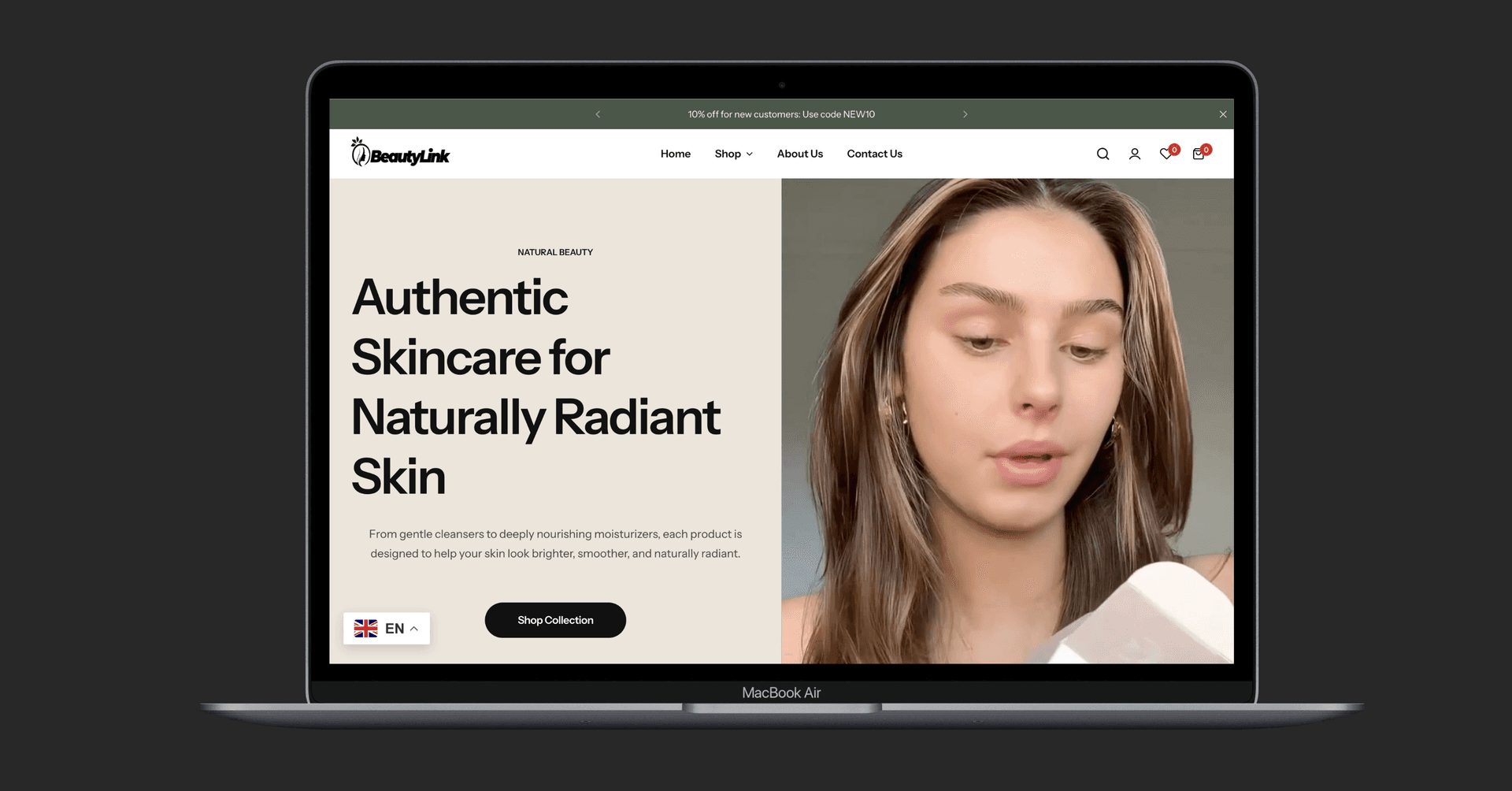
"We came to QLEVR with a big catalogue and needed a store that could handle it properly. They organised everything clearly, made the design look beautiful, and set up WooCommerce so we could manage it all ourselves after launch. The store looks exactly like what we imagined and our customers find it
Read the case study →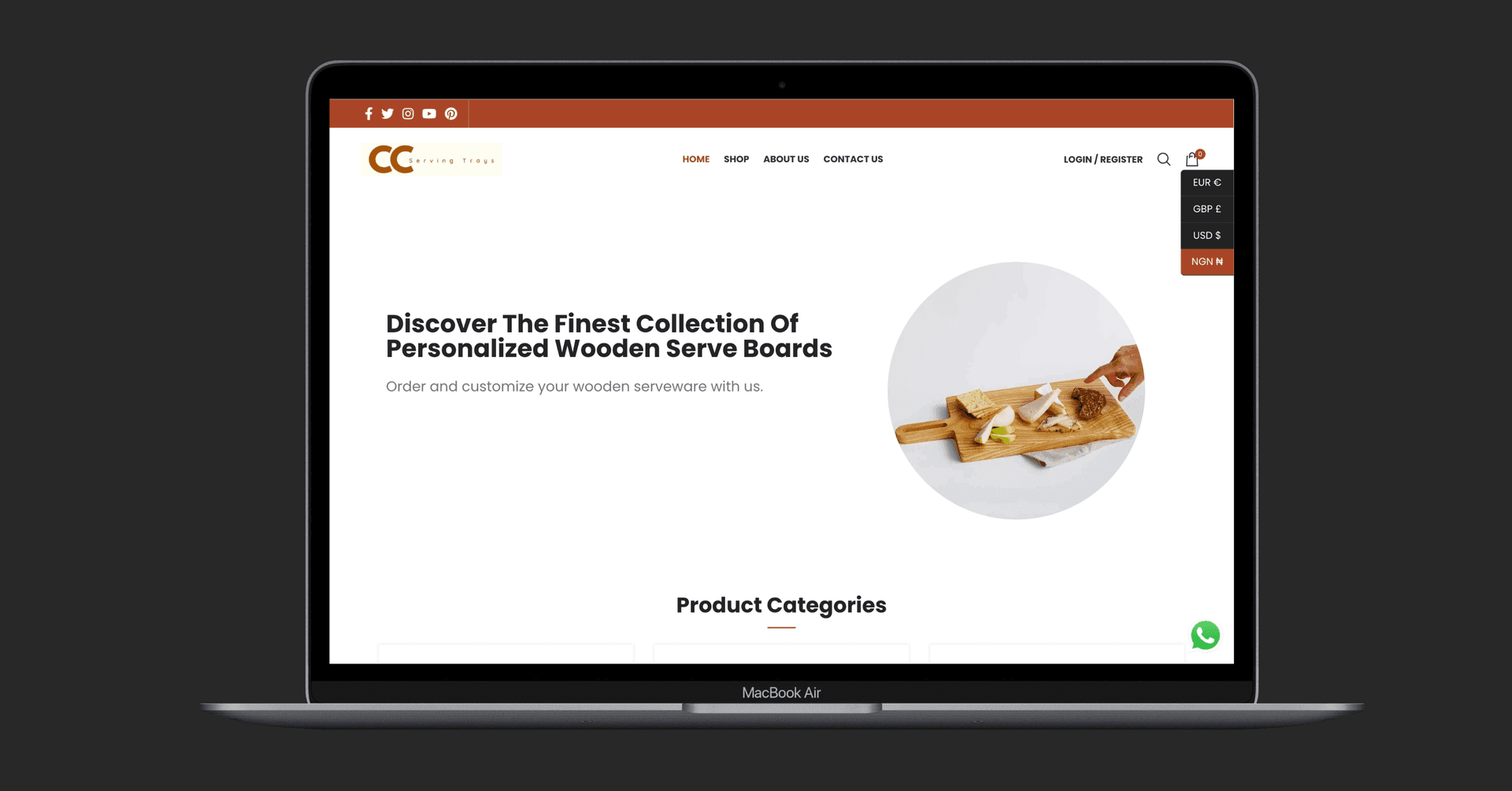
"Before the website, I was handling every single order on WhatsApp myself. It was exhausting. Now customers can browse, customise, and pay all in one place. QLEVR built exactly what we needed and made the whole process smooth from start to finish."
Read the case study →Shopify for most stores, because the hosting, checkout and payment integrations are solved problems and your money is better spent on merchandising than on rebuilding a cart. Custom builds make sense when the catalogue or fulfilment logic genuinely does not fit a platform. We will tell you honestly which case you are in.
Yes, and the redirect map is the part that matters. Every old product and category URL needs a 301 to its closest equivalent before launch. Migrations that skip this are the single most common way a store loses organic traffic overnight.
A focused Shopify build generally runs $4,000 to $12,000 depending on catalogue size, custom functionality and whether product content and photography are handled for you. We quote a fixed figure before starting.
Descriptions yes, as part of the build where you need them. Photography we coordinate rather than shoot. Good product photography is a specialist job, and we would rather bring in someone who does it properly.
Yes. Ecommerce is where paid media and site quality are most tightly coupled, so running both is usually more effective than splitting them across two suppliers. It starts with the product feed, which is where most accounts are quietly losing impressions.